WATER SOFTENER PLANT

A water softener plant is a type of water treatment system that is designed to remove minerals, such as calcium and magnesium, from hard water. Hard water can cause a range of problems, including buildup of scale in pipes and appliances, decreased efficiency of water heaters and other equipment, and damage to fabrics and skin irritation.
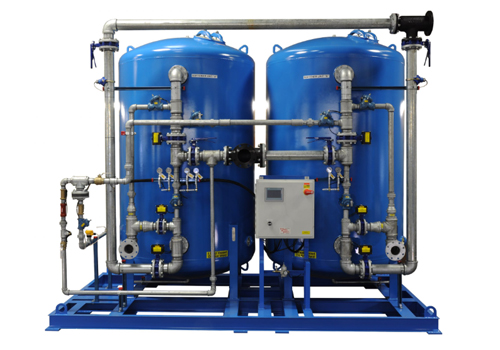
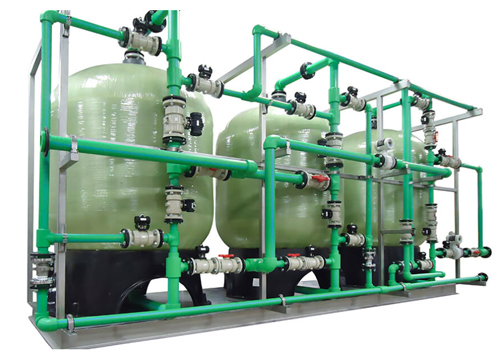
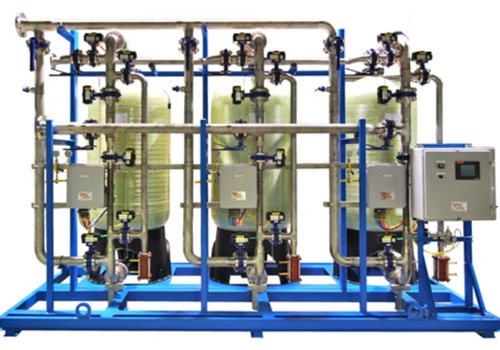
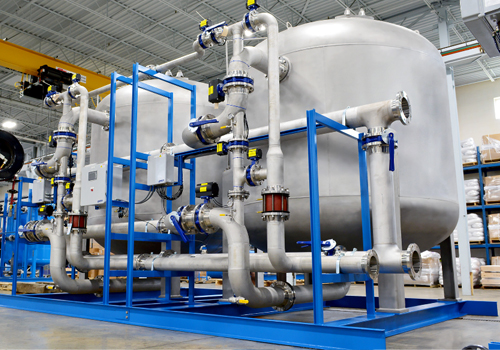
A water softener plant typically consists of several components, including a resin tank, a control valve, and a brine tank.
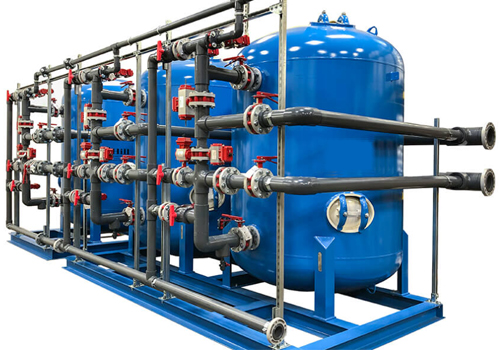
The resin tank contains a bed of ion exchange resin, which is a special type of polymer that attracts and removes positively charged ions, such as calcium and magnesium, from the water as it passes through the tank.
The control valve regulates the flow of water through the system and initiates regeneration cycles when necessary, while the brine tank contains a concentrated solution of salt or potassium chloride that is used to regenerate the ion exchange resin.
The water softener plant operates through a process called ion exchange, whereby positively charged ions in the water are exchanged for sodium ions that are released by the resin. During the regeneration cycle, the control valve initiates a backwash and rinse process, followed by a brine recharge cycle, which replenishes the resin with sodium ions and removes the accumulated minerals from the resin bed.
Water softener plants are commonly used in homes, businesses, and industries to improve water quality and protect plumbing and equipment from damage. They can also improve the efficiency of water heaters and other appliances, save energy and reduce maintenance costs over time. However, it is important to note that water softener plants do add sodium to the water, which can be a concern for individuals on low-sodium diets or with certain health conditions.